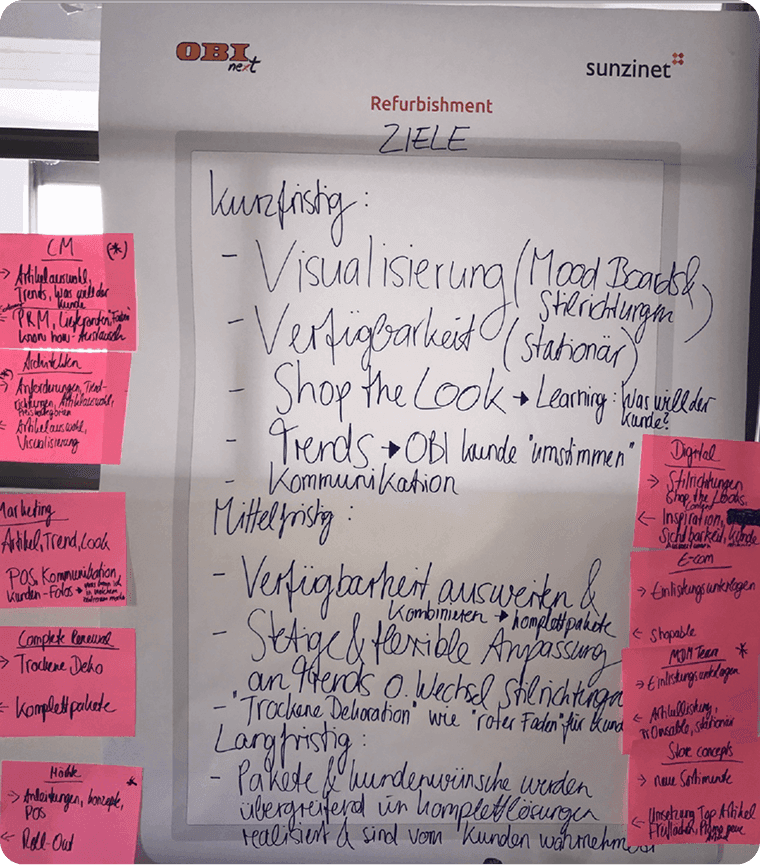
Step 01 · Week 1
Kick-off workshop: Design Thinking sessions with stakeholders across OBI to align on customer pain points and business goals.
The bathroom planner that reshaped how a €8.2B retailer serves its customers. In 2017, OBI Group spun up OBI Next to prove corporate could move at startup speed. Today, the service runs across 640+ stores in 10 countries and serves 9+ million heyOBI users.
0%
Conversion lift
€0M+
Business Impact in year one
0×
Sales Productivity
01—ORIGINWAR ROOM
We set up in an empty loft close to our agency, assembling IKEA furniture while planning strategy. I ran design thinking workshops with stakeholders across OBI, pulling customer pain points, market research, and business goals into something we could act on.
The key insight: customers needed inspiration first, not complex planning tools.
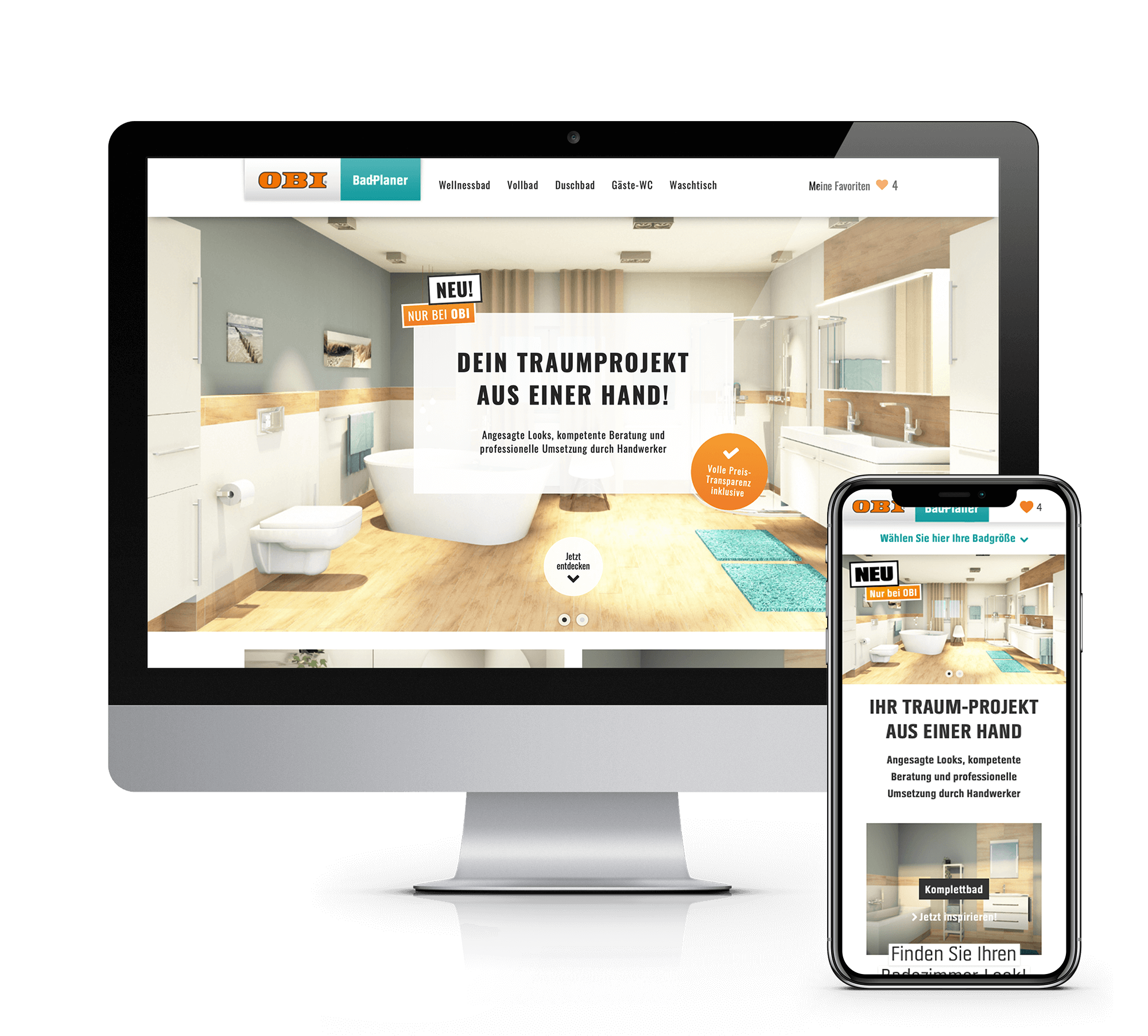
By week two, concept and design were ready. I was sitting with our developers and product manager, coding frontend implementations at 2am. I did whatever removed blockers — UX/UI, HTML/CSS/JavaScript, legal content, measurement frameworks.
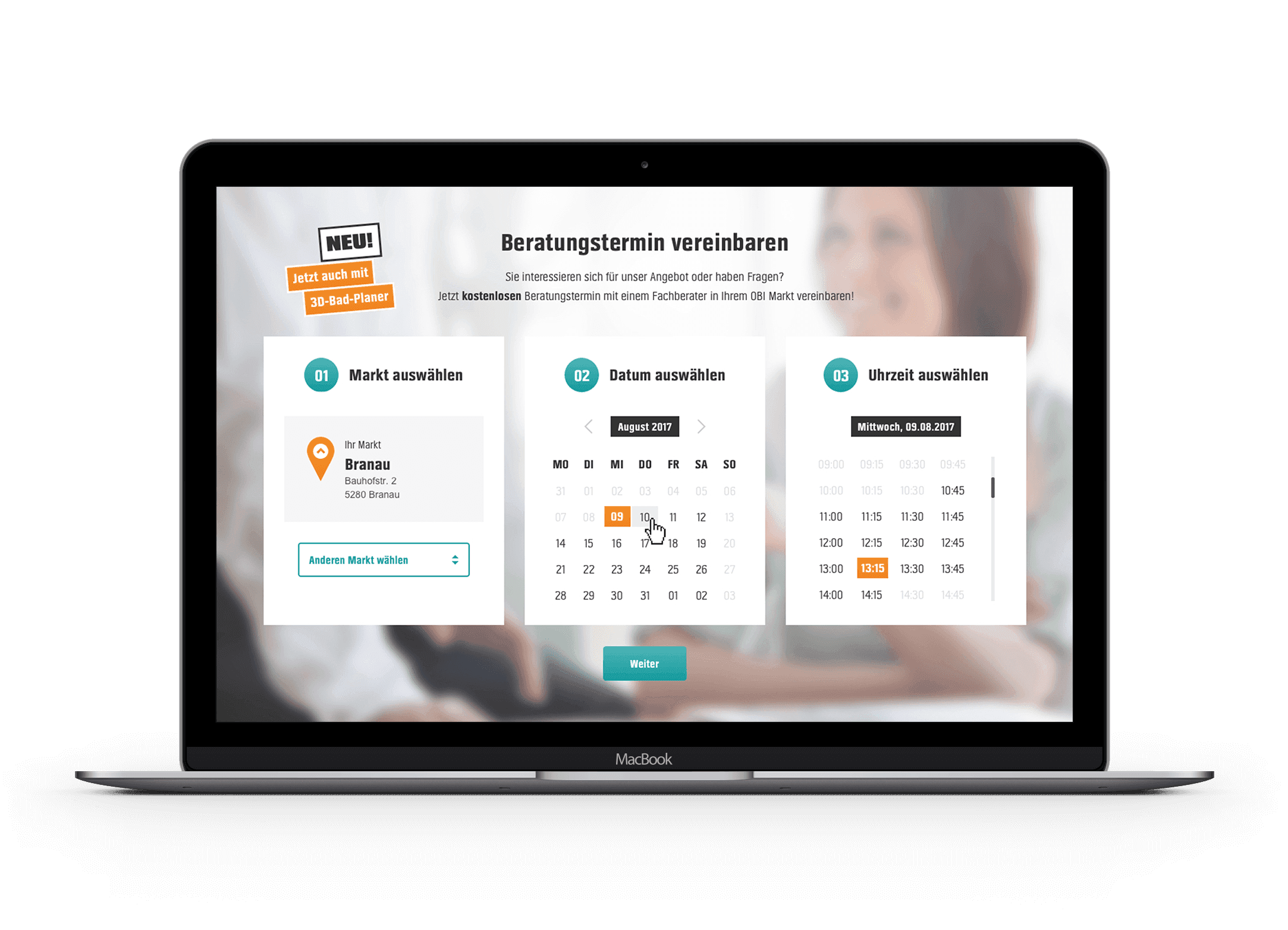
Day 30: we launched. Customers could browse and customise complete bathroom looks, schedule in-store consultations, and receive planning documents. We didn't ship and hope. We analysed every click and recorded sessions from day one.
From workshop to launch
1 / 2
Step 01 · Week 1
Kick-off workshop: Design Thinking sessions with stakeholders across OBI to align on customer pain points and business goals.
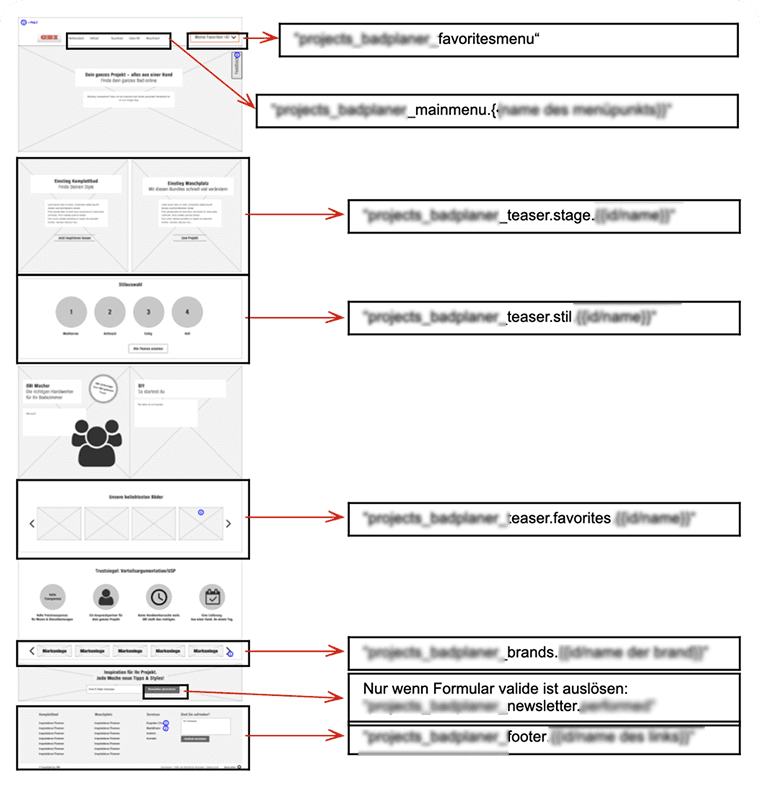
Step 02 · Week 2
Tracking concept: Analytics framework designed from day one to measure every click and user interaction.
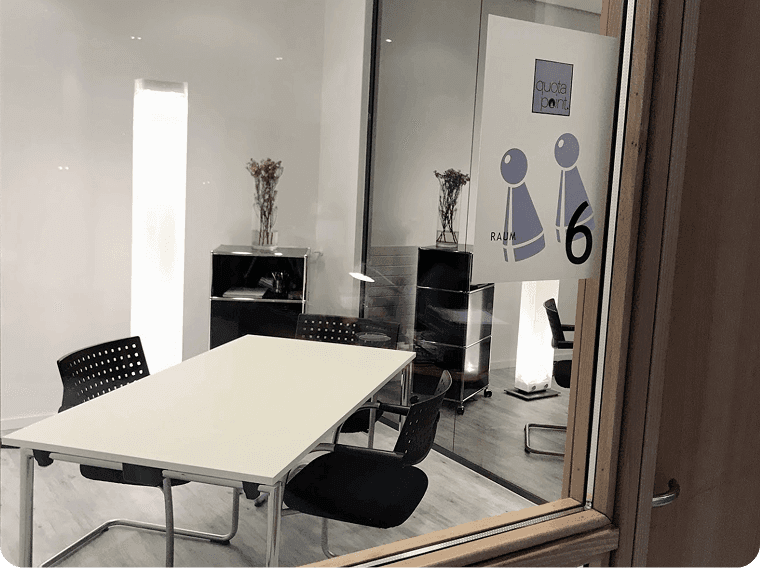
Step 03 · Week 3-4
UX lab setup: Moderated user interviews and testing sessions in our loft space near the agency.
02—RESEARCHLEARNING PHASE
We recruited participants who'd recently renovated bathrooms and ran moderated sessions combining task-based testing, five-second tests, and unscripted exploration. The research showed us exactly where the experience broke down and what customers actually needed.
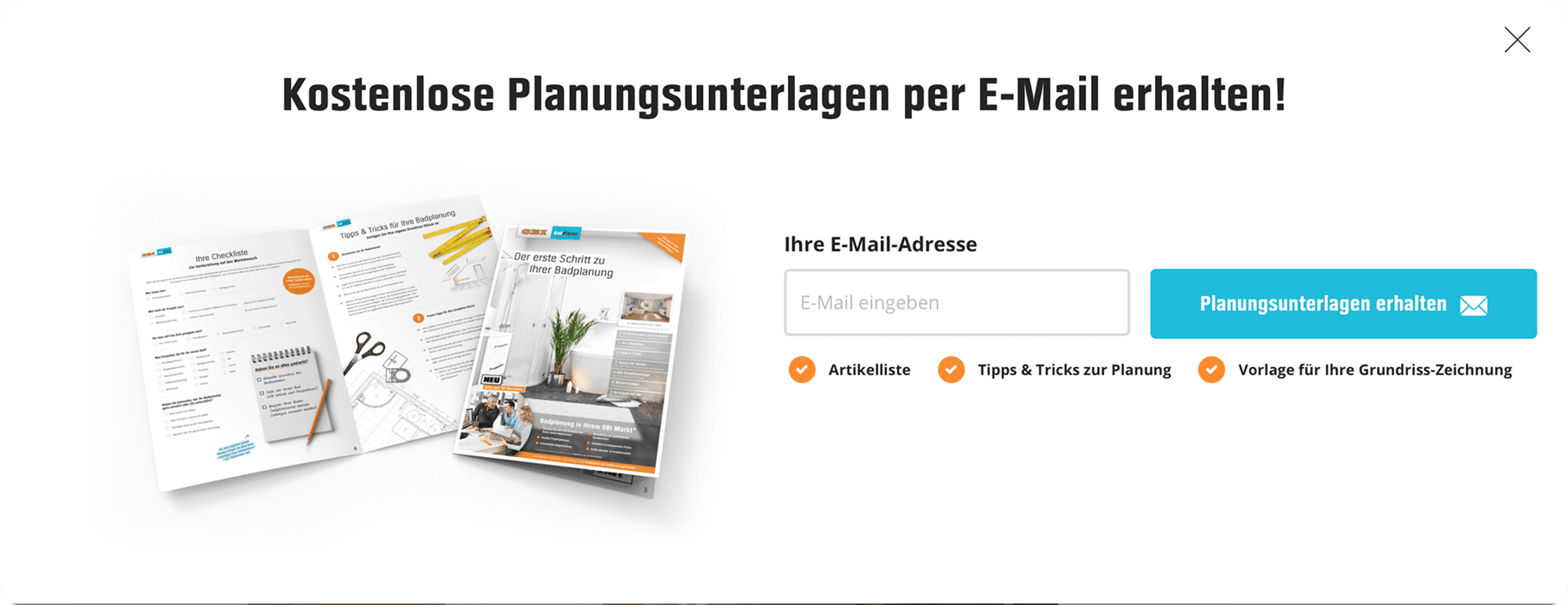
We adapted immediately. Questions moved earlier in the journey. Inspiration filters were stripped back to the essentials. Planning documents personalised based on selections. Budget ranges recalibrated to match realistic project scopes.
Version 2 launched weeks later. The numbers validated everything — conversion rates improved and consultation appointment bookings increased.
— THE INSIGHT —
“Customers didn't need a planning tool.They needed inspiration that converts.”
KEY FINDING · OBI NEXT USER RESEARCH
03—GROWTHSCALING
Every change was A/B tested, so we could see exactly what improved performance. When OBI started directing organic traffic from their main website to our landing pages, the numbers held. We were ready to scale, and onboarded new teams with everything we'd learned. The Kitchen Planner team had a proven blueprint — they didn't need to figure out what worked. They started from our validated approach and adapted it for their domain.
04—IMPACTTRANSFORMATION
What started as a 6-month pilot became the methodology for OBI's digital future. It proved corporate could move at startup speed — and that proof changed everything.
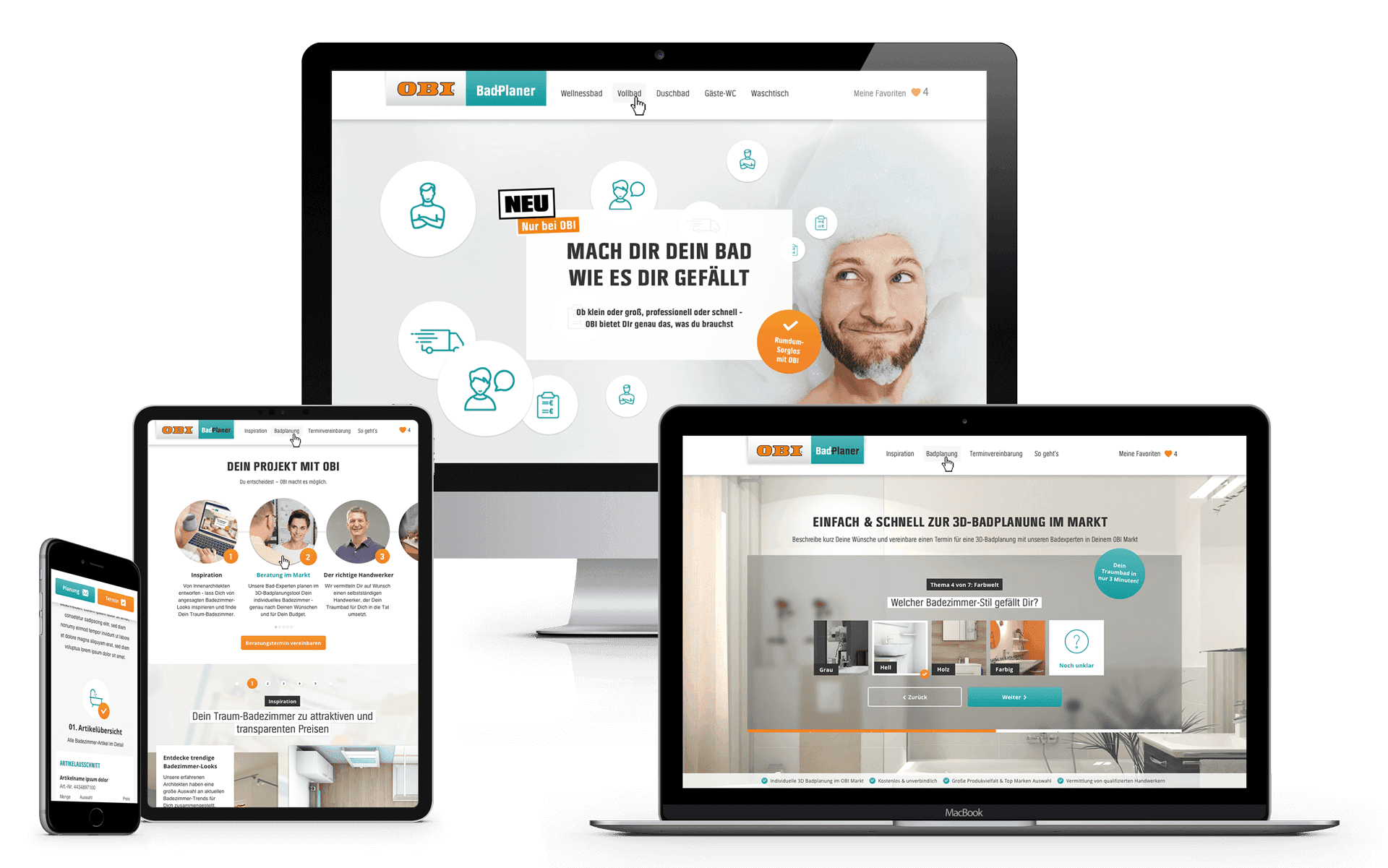
Within 18 months, OBI Next launched the Kitchen Planner and Garden Planner on the same methodology. The bathroom planner expanded from Austria to Germany, then across Europe, backed by big marketing campaigns. All three services now run 14 configurators across 300+ stores.
Today, OBI Group generates €8.2 billion in revenue across 640+ stores in 10 countries. Half of German customers visit the website before walking into a store. Project experiences — not just product sales — serve 9+ million users and define the brand.
The transformation is still compounding.
This project showed me where I belong — product-side, building systems that change how companies innovate, not just delivering agency projects that end when the interesting journey starts.
GET IN TOUCH
Happy to walk you through the strategy, decisions, and outcomes in detail.